
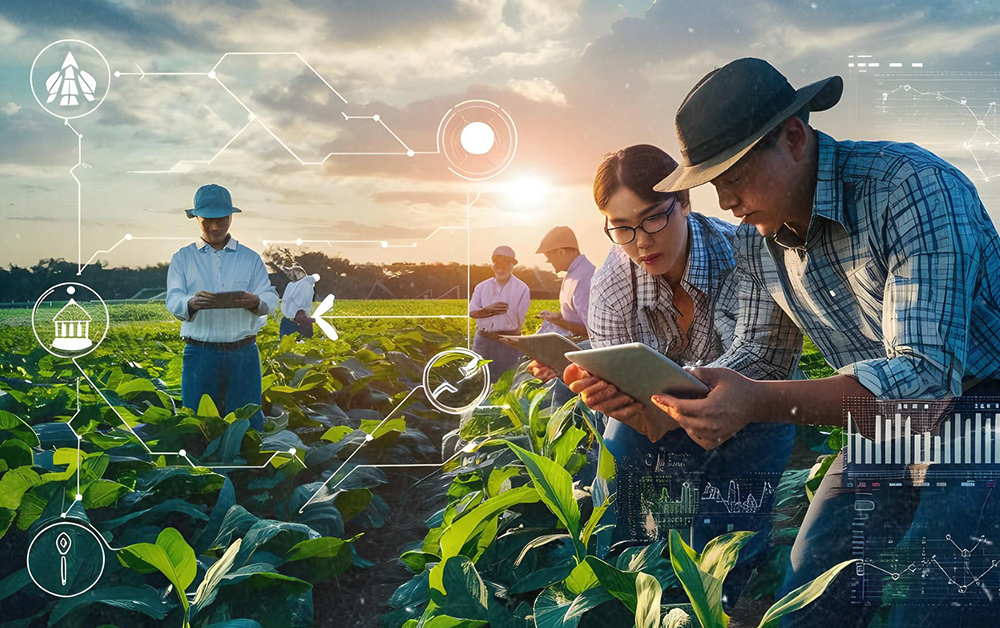
Farmers, who form the backbone of the nation's economy, are increasingly turning to online platforms for expert guidance and training. By bringing agricultural knowledge directly to their doorsteps, digital resources are empowering rural communities and fostering a new era of sustainable farming practices. This technological shift is proving invaluable in a country where agriculture remains a primary livelihood for a vast segment of the population.
The Rise of Digital Learning in Agriculture
Despite the challenges of limited internet access in rural areas, farmers are increasingly harnessing the power of smartphones to improve their livelihoods. While consistent online connectivity remains a hurdle for many, the widespread adoption of mobile devices presents a unique opportunity to deliver vital agricultural information directly to farmers' hands. Reports indicate that while only about 25% of farmers have consistent internet access, the use of mobile platforms is on the rise.
Recognizing this potential, training programs are being tailored to meet the specific needs of this audience. These programs prioritize practical, hands-on learning that can be easily grasped, even by those with limited literacy. By focusing on simple, actionable steps, these initiatives aim to equip farmers with the knowledge and skills necessary to boost their crop yields and overall income.
Digital tools are proving to be more than just a source of information; they are empowering farmers to make informed decisions about their operations. By accessing resources on topics such as crop rotation, soil health, and market trends, farmers can optimize their farming practices. The flexibility of digital learning allows individuals to learn at their own pace and revisit information as needed, making it an invaluable resource for those with busy schedules and limited time.
Ultimately, the combination of accessible mobile technology and targeted training programs is creating a new pathway for rural farmers to thrive. By bridging the digital divide, these efforts are helping to unlock the full potential of rural agriculture and improve the lives of countless farming communities.
Community-Driven Learning and Local Solutions
The digital age has ushered in a wealth of information, but not everyone has equal access. To overcome this challenge, many communities are harnessing the power of technology while keeping people at the heart of the learning process.
One innovative approach is the use of community centers as digital learning hubs. By organizing training sessions and showcasing informative videos and tutorials, farmers can come together to learn new skills and techniques. This collective learning environment not only makes education more accessible but also fosters a strong sense of community. Farmers can share their experiences, learn from each other, and build relationships, creating a supportive network.
Recognizing that internet access remains a hurdle for many, initiatives like SMS alerts and community radio broadcasts are proving to be invaluable tools. These platforms deliver essential agricultural information directly to farmers, ensuring that no one is left behind. By providing timely updates on weather patterns, crop management practices, and market prices, these services empower farmers to make informed decisions and improve their livelihoods.
This combined approach of community-based learning and supplementary digital channels has shown remarkable results in boosting agricultural knowledge and the adoption of modern farming methods. By tailoring information to local conditions and making it easily accessible, farmers are better equipped to overcome challenges and increase their yields, ultimately contributing to a more sustainable and prosperous agricultural sector.
Conclusion
Nepal's agricultural sector stands at the precipice of a transformative era. The integration of digital tools is empowering farmers like never before, turning them from passive recipients of knowledge into active participants in a digital revolution. With smartphones becoming increasingly accessible, farmers can now tap into a wealth of expert advice, best practices, and market information right at their fingertips. This newfound ability to learn and adapt continuously is fostering a generation of farmers equipped to tackle challenges and seize opportunities with greater confidence.
As digital literacy spreads across rural Nepal, the potential for boosting agricultural productivity and sustainability becomes increasingly evident. From optimizing crop yields to preserving precious resources, technology is proving to be a powerful ally in the farmer's toolkit. It's a testament to the resilience and ingenuity of Nepal's farming communities that they are not merely adapting to these changes but actively driving them, paving the way for a more prosperous and sustainable agricultural future.